

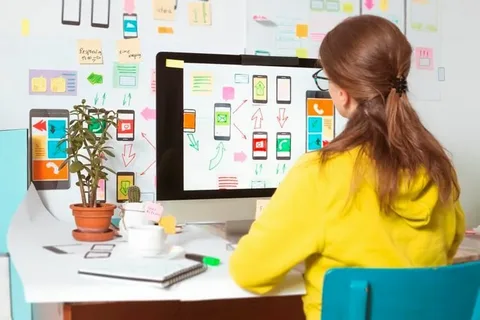
Design and development are often seen as two separate disciplines—one focused on aesthetics, the other on function. But in the context of web creation, the best results happen when these two elements are in constant dialogue. A visually stunning site that doesn’t work well fails just as quickly as a perfectly coded site that lacks appeal. Successful digital products are born from the seamless integration of design thinking and development strategy.
Design is where the vision begins. It sets the tone, communicates brand values, and guides the user experience. From typography and layout to color and motion, design defines how users emotionally and practically engage with a website. But design without development is static—it lacks interactivity, responsiveness, and accessibility. Development brings that vision to life, translating mockups into functioning components that adapt across devices and respond to user input in real time.
This collaboration goes deeper than simple handoffs. It’s a process of building together, where designers understand the capabilities and limitations of code, and developers appreciate the nuance of visual systems. When this relationship is strong, the final product is cohesive, efficient, and user-centered. It works not only in appearance but in action.
Responsiveness is a perfect example of where design and development must align. A design may look perfect on a large desktop monitor but must adjust gracefully to mobile screens, tablets, and everything in between. Developers ensure layouts flex, media scales, and navigation remains clear—while designers anticipate how content should stack or collapse without losing meaning. Each decision, from breakpoints to loading states, affects how the experience feels to the end user.
Performance is another shared responsibility. Clean code and optimized assets directly impact how fast a site loads, while design choices—like video backgrounds, font weights, or image dimensions—affect that performance. Finding balance is key. Every element added to enhance the look must also serve a purpose and be built for efficiency. Smart design is light, modular, and intentional.
Accessibility further illustrates how design and development intersect. Designers must plan for visual contrast, legibility, and user focus, while developers must implement semantic HTML, ARIA labels, and keyboard navigation. Accessibility isn’t a checklist—it’s a mindset that spans every decision across both disciplines.
In modern workflows, tools have evolved to bring design and development closer together. Component libraries, design systems, prototyping tools, and version control platforms allow teams to collaborate more fluidly. These systems promote consistency, reduce redundancies, and speed up iteration cycles, ensuring every element is aligned with both the creative vision and technical framework.
Ultimately, web design and development is not a linear process—it’s iterative and layered. The best digital experiences result when creative expression is grounded in technical excellence, and technical implementation honors the design intent. It’s this intersection where true innovation happens.
In a digital landscape that demands both beauty and utility, the fusion of design and development isn’t just a collaboration—it’s a necessity.
