

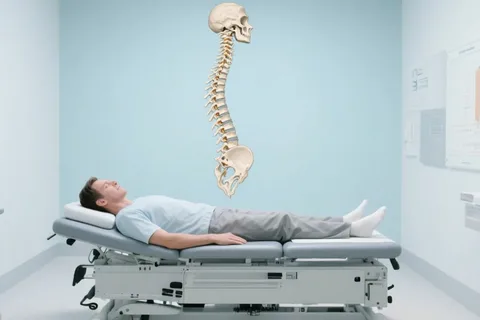
Spinal decompression therapy is a popular treatment for individuals suffering from chronic back pain, particularly those with conditions like herniated discs, sciatica, and degenerative disc disease.
The therapy, which involves stretching the spine to relieve pressure on the discs and nerves, has garnered significant attention for its non-invasive nature and potential for long-term pain relief.
However, one of the most common concerns for patients considering this treatment is the cost of spinal decompression therapy.
Understanding the factors that affect pricing and the potential financial commitment involved can help you make an informed decision.
In this article, we will break down the costs associated with spinal decompression therapy, explore the factors that influence pricing, and discuss how to evaluate the treatment’s worth based on your specific needs and budget.
What Is Spinal Decompression Therapy?
Spinal decompression therapy aims to relieve pressure on the spinal discs, alleviate pain, and promote healing in the spine. This non-invasive therapy uses specialized mechanical traction devices to gently stretch the spine, creating space between the vertebrae and reducing pressure on the discs and nerves. By doing so, spinal decompression can help improve blood flow to the injured areas, reduce inflammation, and support the body’s natural healing process.
There are two primary types of spinal decompression:
- Non-surgical spinal decompression: The most common form of treatment, where a mechanical device is used to apply controlled traction to the spine. This device, such as the DRX9000 or Accu-SPINA, applies alternating decompression and relaxation forces to the spine, encouraging the body’s healing process.
- Surgical spinal decompression: A more invasive procedure, typically used when non-surgical methods fail. This may involve the removal of part of a disc or vertebra to relieve nerve compression.
In this article, we will focus on the non-surgical spinal decompression therapy commonly offered in outpatient clinics, which is more affordable and generally less invasive than surgery.
The Cost of Spinal Decompression Therapy
The cost of spinal decompression therapy can vary widely depending on several factors, including the location of the clinic, the specific treatment plan, and the number of sessions required. On average, a single session of non-surgical spinal decompression therapy cost anywhere from $50 to $150 per session. For a full treatment program, which can involve 15 to 30 sessions, the total cost may range from $1,500 to $4,500 or more.
While the prices can vary, these are the general ranges you can expect based on your location and the specific clinic offering the service. It’s important to keep in mind that many clinics may offer package deals, which can significantly reduce the per-session cost.
1. Factors Influencing the Cost of Spinal Decompression Therapy
Several factors play a role in determining the cost of spinal decompression therapy. Understanding these can help you estimate the financial investment required for your treatment.
- Location: As with most healthcare services, the price of spinal decompression therapy can vary depending on the region where you live. Clinics in metropolitan areas or high-cost-of-living regions tend to charge higher rates compared to those in rural areas or smaller cities. Major urban centers like New York or Los Angeles may have higher treatment costs due to the increased overhead expenses of operating in such areas.
- Equipment Used: The type of spinal decompression equipment used can also affect the cost. Some devices, such as the DRX9000, are more advanced and FDA-approved, which can result in a higher price for treatment. More specialized or cutting-edge equipment can provide more precise treatment, which may justify the additional expense.
- Number of Sessions: The number of sessions needed depends on the severity of your condition and how your body responds to the therapy. For more severe cases, such as herniated or bulging discs, you may need more sessions, driving up the overall cost. A typical treatment plan ranges from 15 to 30 sessions, though some patients may see results in fewer visits.
- Clinic Reputation and Expertise: Highly reputable clinics or practitioners with advanced training and experience may charge more for their services. Experienced practitioners are often able to provide a more tailored approach, which can lead to better outcomes. However, this comes at a price, as these experts tend to charge higher fees for their services.
- Insurance Coverage: One of the most significant factors influencing the cost is whether your health insurance covers spinal decompression therapy. Unfortunately, most insurance providers do not cover non-surgical decompression, as it is considered an alternative therapy. However, some insurance plans may offer partial reimbursement or coverage if the treatment is deemed medically necessary. It’s important to verify your insurance policy before committing to treatment.
- Package Deals and Discounts: Many clinics offer discounted rates when patients purchase a package of sessions upfront. While these package deals can save you money, it’s crucial to make sure that spinal decompression therapy is the right treatment for your condition before committing to a full package. Some clinics may also offer free consultations, allowing you to determine whether the therapy is suitable for you.
2. Evaluating the Cost vs. Benefit
Before committing to spinal decompression therapy, it’s important to weigh the cost against the potential benefits. While many patients experience significant pain relief and improvement in mobility, the results of spinal decompression therapy are not guaranteed. Some patients see dramatic improvement, while others may experience only minimal relief. Here are some key considerations:
- Effectiveness: Studies have shown that spinal decompression therapy can be effective for conditions like herniated discs, sciatica, and degenerative disc disease. According to the National Center for Complementary and Integrative Health (NCCIH), spinal decompression therapy has shown positive results in relieving symptoms for certain types of back pain. However, the success of the treatment varies depending on the individual and the specific condition being treated.
- Alternative Treatment Options: While spinal decompression therapy can provide relief for many individuals, there are other non-invasive treatments that can be considered. Physical therapy, chiropractic care, acupuncture, and medications like NSAIDs (non-steroidal anti-inflammatory drugs) may offer similar benefits at a lower cost. Exploring all treatment options with your healthcare provider is essential before committing to one specific approach.
- Long-Term Financial Considerations: While spinal decompression may provide short-term relief, it’s important to consider the long-term financial commitment. If the therapy helps alleviate pain and improve your quality of life, the investment may be worthwhile. However, if the results are only temporary or ineffective, you may need to explore other options, adding to your long-term healthcare expenses.
- Financing and Payment Plans: Many clinics offer payment plans or financing options to help spread out the cost of treatment. If you’re concerned about the upfront cost, it’s worth asking your provider about flexible payment options or discounts for paying upfront.
Insurance and Financial Assistance
Insurance coverage for spinal decompression therapy is generally limited. Most health insurance plans do not cover non-surgical decompression, considering it an alternative treatment. However, in some cases, insurance may provide partial reimbursement if the therapy is prescribed as part of a comprehensive treatment plan for conditions like sciatica or herniated discs.
If insurance doesn’t cover the treatment, many clinics offer payment plans or financing options to help make the cost more manageable. Additionally, using a Flexible Spending Account (FSA) or Health Savings Account (HSA) may be a way to offset some of the costs, provided these accounts are part of your benefits package.
Spinal decompression therapy can provide significant relief for individuals suffering from chronic back pain, but it does come with a cost.
The price varies based on factors like location, equipment, and the number of sessions required.
Understanding these factors can help you make an informed decision about whether spinal decompression is right for your condition and your budget.
For more information on spinal health and related treatments, visit the National Institute of Arthritis and Musculoskeletal and Skin Diseases (NIAMS).
They offer detailed resources on back pain and treatment options, which can help you explore all your options for managing and relieving your symptoms.
By weighing the potential benefits and costs, you can decide whether spinal decompression therapy is the right choice for your health and your finances.
