

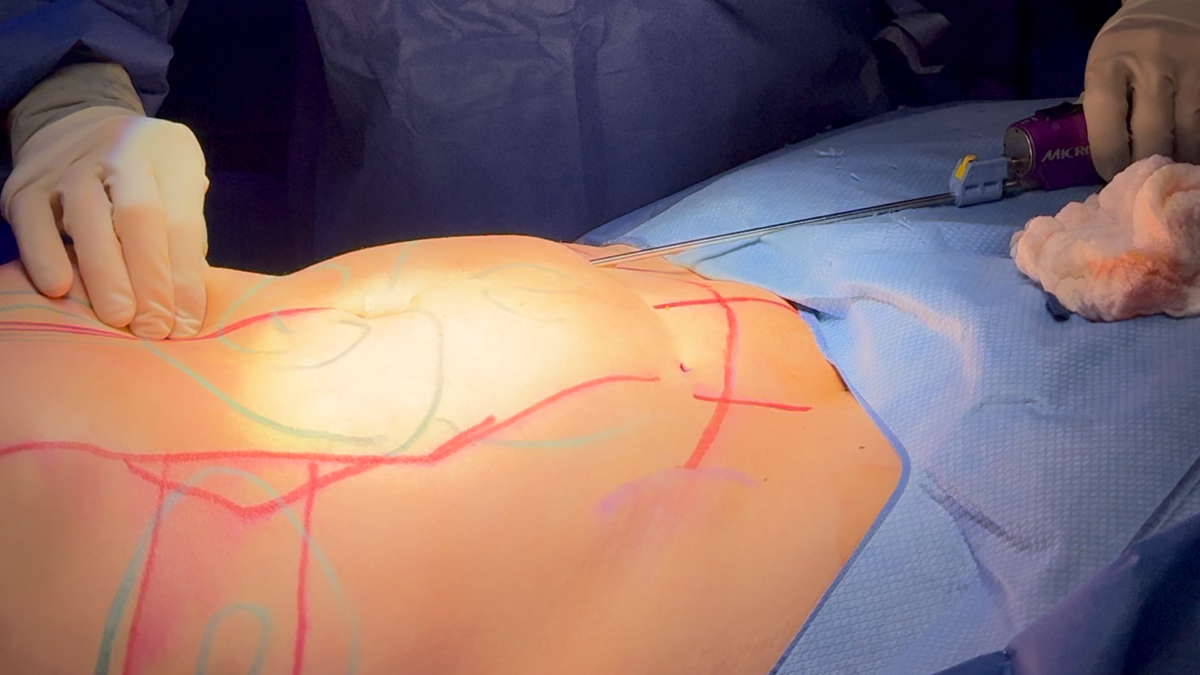
Liposuction is a surgical body-contouring procedure designed to remove localized areas of excess fat. While the procedure itself may be completed relatively quickly, the body needs considerably more time to recover and adjust to its new contours.
Recovery is not identical for everyone. The amount of fat removed, treatment area, surgical technique, overall health, and individual healing response can all influence how long recovery takes. Swelling, bruising, tenderness, and temporary changes in sensation are common during the early healing period.
The First Few Days: Rest and Initial Healing
The first several days are generally focused on controlling discomfort and protecting the treated areas. Patients may experience soreness, swelling, bruising, tightness, or mild drainage from small incision sites.
Your surgeon may recommend prescription or over-the-counter medication, depending on your individual situation. Compression garments are also commonly used after liposuction because they can help manage swelling and support the tissues as they heal.
During this stage, strenuous activity should be avoided. Having assistance with household responsibilities during the first few days can also make the recovery period more comfortable.
Week One: Swelling May Be at Its Peak
It can be surprising to look in the mirror during the first week and not immediately see the desired body contour. Swelling and bruising can temporarily obscure the results.
This does not necessarily mean something has gone wrong. In many cases, the body is still responding to surgical trauma and beginning the tissue-repair process. The American Society of Plastic Surgeons notes that the first week commonly involves significant limitations on activity while pain, swelling, and bruising are monitored.
Following postoperative instructions carefully is especially important during this stage.
Weeks Two and Three: Gradual Improvement
For many patients, the second and third weeks bring noticeable improvement in comfort. Bruising generally begins to fade, and normal daily activities can gradually become easier.
Depending on the type of work performed, some people may return to work within several days or around a week, while others may need longer. Physically demanding occupations can require additional recovery time.
Light movement may be encouraged, but exercise and strenuous activities should only be resumed according to your surgeon’s instructions. Recovery timelines vary considerably between individuals.
Weeks Four to Six: Seeing More of the New Contours
By approximately the fourth to sixth week, much of the initial bruising may have disappeared, although swelling can remain. As inflammation decreases, the treated area’s shape generally becomes easier to appreciate.
Patients undergoing laser-assisted liposuction may also notice progressive skin firming as healing continues. Some changes in skin tightness can continue for several months.
This is also a period when patients may begin gradually increasing physical activity, provided their healthcare provider has cleared them to do so.
Why Compression Garments Can Matter
Compression garments are frequently incorporated into liposuction recovery plans. They apply pressure to treated areas, helping control postoperative swelling while the tissues adapt to their new contours.
The length of time a patient should wear compression clothing differs according to the procedure and the surgeon’s recommendations. Rather than following a generic schedule, patients should use the garment exactly as instructed by their surgical team.
Managing Discomfort During Recovery
Postoperative discomfort is usually described as soreness, tenderness, tightness, or a burning sensation rather than severe acute pain. These symptoms tend to improve as the initial healing period progresses.
Rest, prescribed medications, appropriate compression, hydration, nutrition, and carefully following postoperative instructions can all support recovery. However, patients should not introduce supplements, massage, exercise, or other treatments without first discussing them with their healthcare provider.
When Considering a Provider, Experience Matters
Choosing an appropriately qualified and experienced professional is an important part of preparing for liposuction. During a consultation, prospective patients can ask about the provider’s qualifications, the technique being recommended, expected recovery timeline, potential complications, follow-up care, and what results are realistically achievable. Someone researching a smart lipo provider The Woodlands should evaluate these factors rather than choosing a provider based solely on advertising or price.
A good consultation should also include an honest discussion of risks and alternatives. Liposuction can involve complications such as infection, fluid accumulation, changes in sensation, contour irregularities, bleeding, poor wound healing, and blood-clot-related complications, although the likelihood varies according to individual circumstances and the procedure performed.
When Do Final Results Appear?
One of the most important things to understand about liposuction is that the immediate postoperative appearance is not the final result. Residual swelling can conceal improvements for weeks or months.
Some patients begin noticing meaningful changes within the first several weeks, while more refined results develop as swelling continues to resolve. Complete healing and stabilization can take several months, with some medical guidance noting that final swelling may take three to six months to disappear.
Warning Signs That Should Not Be Ignored
Although discomfort, swelling, and bruising can be expected after surgery, patients should remain alert to unusual symptoms. Severe or worsening pain, significant bleeding, signs of infection, concerning swelling, breathing difficulties, chest pain, or other unexpected symptoms require prompt medical attention.
Instead of attempting to determine whether a symptom is normal independently, patients should contact their surgical team when something seems unusual. Urgent symptoms should receive immediate medical evaluation.
Supporting a Smooth Recovery
Recovery is not simply about waiting for swelling to disappear. Patients can help create favorable conditions for healing by following their surgeon’s instructions, attending follow-up appointments, protecting incision sites, maintaining appropriate nutrition and hydration, and avoiding activities that have not yet been approved.
Smoking and vaping can interfere with blood flow and wound healing, making adherence to preoperative and postoperative recommendations particularly important.
The Bigger Picture
Liposuction recovery is a gradual process rather than a single milestone. The first days may involve substantial swelling and soreness, the following weeks generally bring increasing comfort, and the months afterward allow the body to settle into its evolving contours.
Understanding this progression can help patients maintain realistic expectations and avoid judging their results too early. Most importantly, recovery should be guided by the individual instructions provided by the qualified healthcare professional who performed the procedure.
