

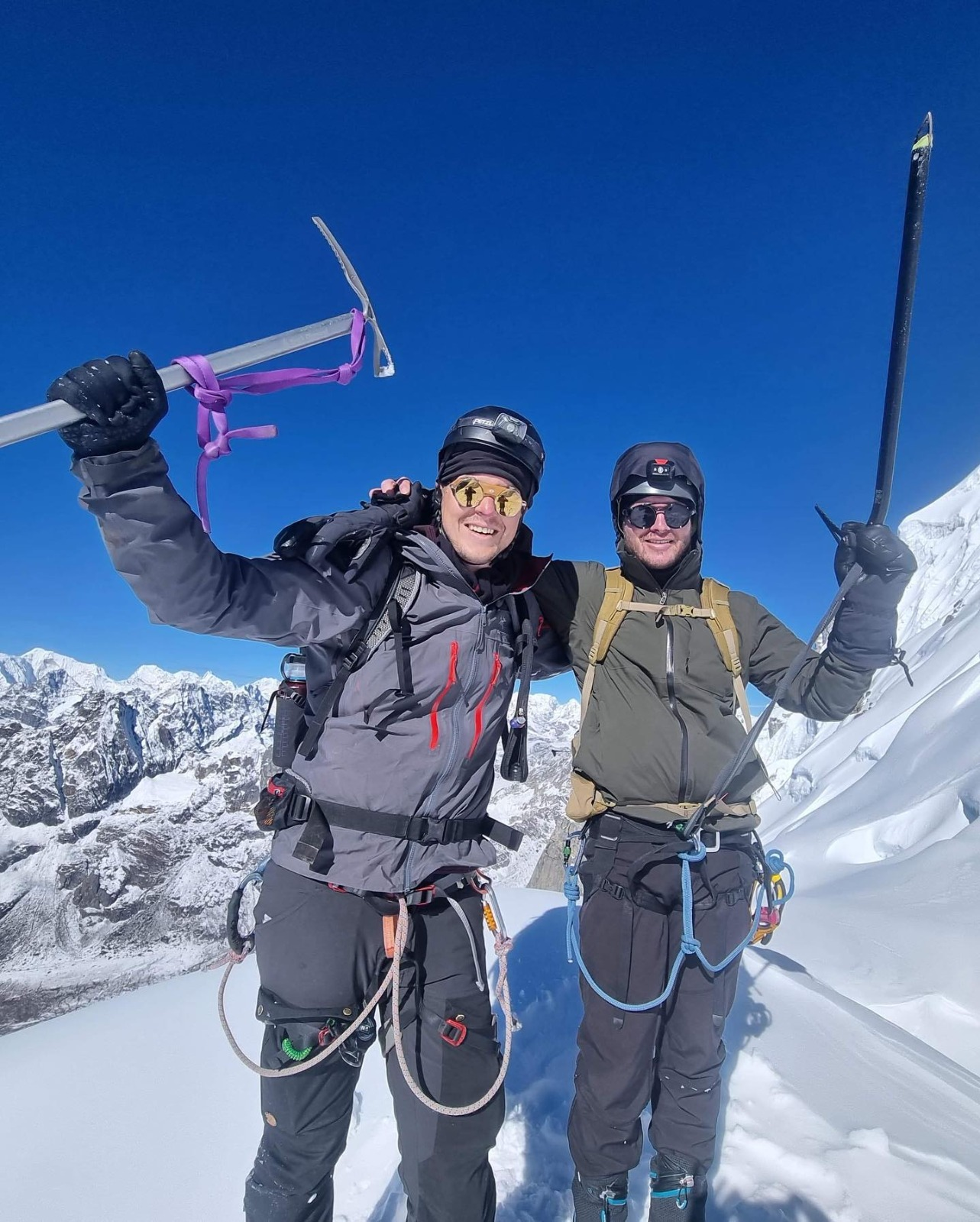
The Himalayas, the world’s highest mountain range, is a haven for adventure-seekers and mountaineering enthusiasts. Among the many iconic peaks, Island Peak, Mera Peak, and Lobuche Peak stand out as thrilling challenges for climbers. Located in the Khumbu region of Nepal, these peaks offer breathtaking views, diverse landscapes, and an unforgettable experience.
Island Peak (6,189m)
Also known as Imja Tse, Island Peak is a popular climbing destination in the Everest region. Its name originates from its appearance as an island in a sea of ice when viewed from Dingboche. Island Peak is considered a great introduction to high-altitude mountaineering, requiring basic mountaineering skills and physical endurance. Climbers can expect steep rock and ice walls, as well as glacier travel. The summit offers spectacular views of surrounding peaks, including Lhotse and Nuptse.
Mera Peak (6,476m)
Mera Peak, located in the Hinku Valley, is the highest trekking peak in Nepal. Its remote location and stunning views make it an attractive destination for adventure-seekers. Climbers will experience diverse landscapes, from lush forests to high-altitude deserts. The ascent involves glacier travel, steep snow and ice slopes, and some rock scrambling. On a clear day, the summit offers breathtaking views of the Everest, Lhotse, and Cho Oyu masses.
Lobuche Peak (6,119m)
Lobuche Peak, situated near the Khumbu Glacier, is a challenging climb that requires technical skills and physical endurance. The mountain has two distinct peaks: Lobuche East and Lobuche West. Climbers typically attempt Lobuche East, which involves steep ice and rock walls. The views from the summit are breathtaking, with the Khumbu Glacier and surrounding peaks creating a dramatic landscape.
Preparation and Climbing Experience
Climbing Island Peak, Mera Peak, or Lobuche Peak requires:
- Physical Conditioning: Climbers should be in excellent physical shape, with experience hiking or climbing at high altitudes.
- Technical Skills: Basic mountaineering skills, such as glacier travel, ice axe techniques, and rope fixing, are essential.
- Mental Preparation: Climbers should be prepared for unpredictable weather conditions, steep terrain, and potential altitude sickness.
- Guided Expeditions: Joining a guided expedition or hiring a certified guide can enhance safety and success.
Conclusion
Island Peak, Mera Peak, and Lobuche Peak offer thrilling adventures for climbers and trekkers. With proper preparation, technical skills, and physical endurance, climbers can conquer these majestic peaks and experience the beauty of the Himalayas. The stunning views, diverse landscapes, and sense of accomplishment make these climbs unforgettable experiences. Whether you’re a seasoned mountaineer or an adventure-seeker, these peaks are sure to leave a lasting impression.
Word Count: 900
please write article with best words 1500 change words with conclusion
Island Peak
Mera Peak
Lobuche Peak
Conquering the Majestic Peaks of the Himalayas: Island Peak, Mera Peak, and Lobuche Peak
The Himalayas, the world’s highest mountain range, is a haven for adventure-seekers and mountaineering enthusiasts. Among the many iconic peaks, Island Peak, Mera Peak, and Lobuche Peak stand out as thrilling challenges for climbers. Located in the Khumbu region of Nepal, these peaks offer breathtaking views, diverse landscapes, and an unforgettable experience.
Island Peak (6,189m)
Also known as Imja Tse, Island Peak is a popular climbing destination in the Everest region. Its name originates from its appearance as an island in a sea of ice when viewed from Dingboche. Island Peak is considered a great introduction to high-altitude mountaineering, requiring basic mountaineering skills and physical endurance. Climbers can expect steep rock and ice walls, as well as glacier travel. The summit offers spectacular views of surrounding peaks, including Lhotse and Nuptse.
The climb to Island Peak begins in Lukla, a bustling town in the Solu-Khumbu district. From Lukla, climbers trek to Dingboche, acclimatizing to the high altitude along the way. The climb involves traversing the Chhukung Valley and setting up base camp at the foot of the peak. Climbers will use crampons and ice axes to ascend the steep snow and ice slopes, and ropes will be used to navigate the rockier sections.
Mera Peak (6,476m)
Mera Peak, located in the Hinku Valley, is the highest trekking peak in Nepal. Its remote location and stunning views make it an attractive destination for adventure-seekers. Climbers will experience diverse landscapes, from lush forests to high-altitude deserts. The ascent involves glacier travel, steep snow and ice slopes, and some rock scrambling. On a clear day, the summit offers breathtaking views of the Everest, Lhotse, and Cho Oyu masses.
The climb to Mera Peak begins in Lukla, followed by a trek to Mera Base Camp via the Hinku Valley. Climbers will pass through picturesque villages, rhododendron forests, and suspension bridges. The climb involves traversing glaciers, using crampons and ice axes, and navigating steep snow slopes. The summit day is challenging, with climbers typically departing at midnight to reach the summit by sunrise.
Lobuche Peak (6,119m)
Lobuche Peak, situated near the Khumbu Glacier, is a challenging climb that requires technical skills and physical endurance. The mountain has two distinct peaks: Lobuche East and Lobuche West. Climbers typically attempt Lobuche East, which involves steep ice and rock walls. The views from the summit are breathtaking, with the Khumbu Glacier and surrounding peaks creating a dramatic landscape.
The climb to Lobuche Peak begins in Lukla, followed by a trek to Lobuche Base Camp via the Khumbu Valley. Climbers will pass through stunning landscapes, including the Tengboche Monastery and the Khumbu Glacier. The climb involves using crampons and ice axes, navigating steep ice walls, and fixing ropes on rockier sections.
Preparation and Climbing Experience
Climbing Island Peak, Mera Peak, or Lobuche Peak requires:
- Physical Conditioning: Climbers should be in excellent physical shape, with experience hiking or climbing at high altitudes.
- Technical Skills: Basic mountaineering skills, such as glacier travel, ice axe techniques, and rope fixing, are essential.
- Mental Preparation: Climbers should be prepared for unpredictable weather conditions, steep terrain, and potential altitude sickness.
- Guided Expeditions: Joining a guided expedition or hiring a certified guide can enhance safety and success.
Logistics and Planning
Climbers should plan their expedition during the spring (April-May) or autumn (September-October), when the weather is most favorable. Permits can be obtained through the Nepal Mountaineering Association, and climbers should ensure they have adequate insurance coverage. Climbers should also consider hiring local guides and porters, who provide invaluable support and knowledge.
Environmental Considerations
The Himalayas are a fragile ecosystem, and climbers should be mindful of their impact. Climbers should follow best practices, such as:
- Waste Management: Pack out all trash and human waste.
- Respect Local Culture: Respect local customs, traditions, and wildlife.
- Minimize Footprint: Avoid damaging vegetation and disturbing wildlife habitats.
Conclusion
Island Peak, Mera Peak, and Lobuche Peak offer thrilling adventures for climbers and trekkers. With proper preparation, technical skills, and physical endurance, climbers can conquer these majestic peaks and experience the beauty of the Himalayas. The stunning views, diverse landscapes, and sense of accomplishment make these climbs unforgettable experiences. Whether you’re a seasoned mountaineer or an adventure-seeker, these peaks are sure to leave a lasting impression. As you embark on your Himalayan adventure, remember to respect the environment, local culture, and your own limitations.
Contact Details
———————
Company address: Everest Trekking Routes Pvt. Ltd.
16 Khumbu, Nayabazaar, Kathmandu, Nepal
Mobile : +977-9843467921 (Rabin)
Email: [email protected]
URL:- www.everesttrekkingroutes.com
