

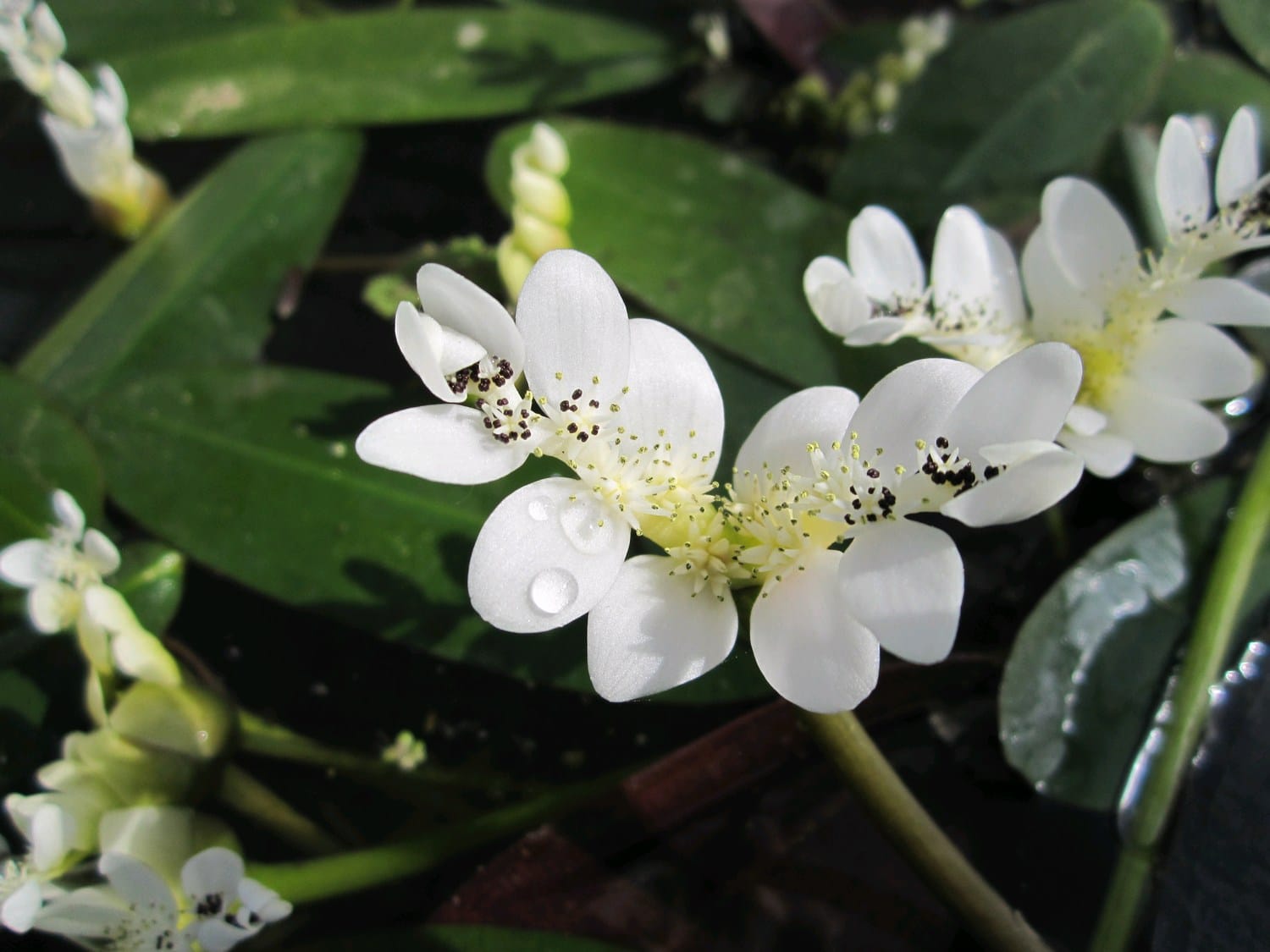
Creating a beautiful pond can transform a garden into a peaceful and wildlife-friendly space. However, choosing the right plants is just as important as selecting the pond itself. The right aquatic plants can improve water quality, provide shelter for wildlife, add colour and texture, and create a more natural appearance.
This guide to British Pond Plants: A Complete Guide to Choosing the Best Varieties explores some of the best plant options for ponds in the UK, along with practical advice on choosing, planting, and caring for them.
Why Choose Pond Plants for Your Garden?
Pond plants do much more than make a water feature look attractive. They can play an important role in maintaining a healthy pond ecosystem.
Many aquatic plants absorb excess nutrients from the water, helping to limit the growth of unwanted algae. Their leaves can also provide shade, which may help keep water temperatures more stable during warmer weather.
Pond plants also create valuable habitats for frogs, newts, insects, birds, and other garden wildlife. Flowering varieties can attract pollinators, while submerged and marginal plants provide shelter for aquatic creatures.
Types of British Pond Plants
Before selecting plants, it is useful to understand the main categories of aquatic plants. Different varieties grow at different depths and serve different purposes.
1. Marginal Pond Plants
Marginal plants grow around the edges of ponds, with their roots in shallow water while much of the plant remains above the surface.
Popular choices include:
- Marsh marigold
- Purple loosestrife
- Water mint
- Yellow flag iris
- Flowering rush
- Lesser spearwort
Marginal plants are ideal for softening the edges of a pond and creating a natural transition between the water and the surrounding garden.
2. Floating Pond Plants
Floating plants remain on or near the surface of the water. Their foliage can provide shade and cover for pond inhabitants.
Examples include floating watermoss and frogbit. These plants can be attractive additions, but it is important to prevent them from covering too much of the pond surface, as excessive growth can reduce the amount of light and oxygen available in the water.
3. Submerged Oxygenating Plants
Submerged plants grow beneath the water and are commonly known as oxygenators. They can contribute to a balanced pond environment by releasing oxygen into the water during photosynthesis.
Suitable oxygenating plants may include hornwort and certain native pondweed species.
When choosing oxygenators, select varieties appropriate for the size and depth of your pond rather than adding too many at once.
4. Water Lilies
Water lilies are among the most recognisable pond plants. Their broad leaves float on the surface, while their flowers can provide an attractive focal point.
There are different water lily varieties suited to different pond depths, so always check the recommended planting depth before buying. Smaller ponds generally benefit from compact varieties, while larger ponds can accommodate more vigorous plants.
How to Choose the Best Pond Plants
When following British Pond Plants: A Complete Guide to Choosing the Best Varieties, it is important to consider the conditions in your particular pond.
Consider Pond Size
The size of your pond should influence your plant choices. Large, vigorous plants can quickly overwhelm a small pond, while tiny varieties may look insignificant in a larger water feature.
For small ponds, look for compact marginal plants and dwarf water lilies. Larger ponds offer more flexibility and can support a wider range of species.
Check Water Depth
Different plants require different planting depths. Marginal plants generally prefer shallow water, while water lilies and submerged varieties may need deeper areas.
Before purchasing a plant, check its recommended depth and make sure your pond provides suitable conditions.
Think About Sunlight
Most pond plants prefer plenty of sunlight, although some can tolerate partial shade. Observe your pond throughout the day to determine how much direct sunlight it receives.
A sunny pond can support many flowering plants, while shaded areas may require more carefully selected varieties.
Choose Plants That Suit Wildlife
If attracting wildlife is one of your goals, choose a mixture of plant types. Dense marginal vegetation can provide shelter for amphibians and insects, while flowering plants can attract pollinators.
Avoid creating a pond completely covered with vegetation. Wildlife benefits from a balance of open water and planted areas.
Native and Wildlife-Friendly Choices
Native British plants can be an excellent choice for wildlife ponds because they are adapted to the UK’s climate and can support local ecosystems.
Some useful native or wildlife-friendly choices include:
- Marsh marigold
- Water mint
- Purple loosestrife
- Frogbit
- Hornwort
- Lesser spearwort
When buying pond plants, purchase them from reputable suppliers and check that the species are suitable for your area and pond conditions. Avoid introducing invasive non-native species, which can spread rapidly and cause environmental problems.
How to Plant Pond Plants Correctly
Planting methods vary depending on the type of aquatic plant.
Marginal plants are often placed in aquatic planting baskets filled with suitable aquatic compost. These baskets can then be positioned at the appropriate depth on shelves around the pond.
Water lilies should be planted in containers designed for aquatic plants and placed at the depth recommended for the particular variety.
Submerged plants may be weighted or planted in suitable containers so they remain below the surface.
Avoid using ordinary garden soil or fertilisers in your pond, as excess nutrients can encourage algae growth.
Caring for Your Pond Plants
Once established, most pond plants require relatively little maintenance. However, occasional care will help keep them healthy and prevent them from becoming invasive within the pond.
Remove dead or damaged leaves when necessary and cut back vigorous growth at the appropriate time of year. Keep an eye on floating plants and thin them out if they begin to cover too much of the water surface.
It is also important to remove excessive fallen leaves and other organic material, particularly during autumn. This helps prevent excessive nutrient build-up and keeps the pond healthier.
Common Mistakes to Avoid
Choosing pond plants without considering their eventual size is one of the most common mistakes. A plant that looks small in a garden centre may spread considerably once established.
Another mistake is adding too many plants. Although vegetation is beneficial, a pond needs a healthy balance between plants and open water.
You should also avoid planting invasive species without understanding their potential impact. Always research a plant before introducing it to your pond.
Creating a Balanced Pond
The best approach to British Pond Plants: A Complete Guide to Choosing the Best Varieties is to think about your pond as a small ecosystem rather than simply a decorative feature.
A balanced pond can include marginal plants around the edges, submerged oxygenators beneath the surface, floating plants for shade, and perhaps a water lily as a focal point.
By combining plants with different heights, colours, textures, and growth habits, you can create an attractive pond that also supports a wide variety of wildlife.
Final Thoughts
Choosing the right pond plants can make a significant difference to the appearance and health of a garden pond. From colourful marginal flowers to elegant water lilies and useful submerged plants, there are many options available for British gardens.
The key is to select varieties that match your pond’s size, depth, sunlight levels, and wildlife goals. With careful planning and regular maintenance, your pond can become a thriving natural feature throughout the year.
For anyone looking for British Pond Plants: A Complete Guide to Choosing the Best Varieties, the most important principle is simple: choose a diverse mixture of suitable plants and give each one enough space and the right growing conditions to thrive.
