

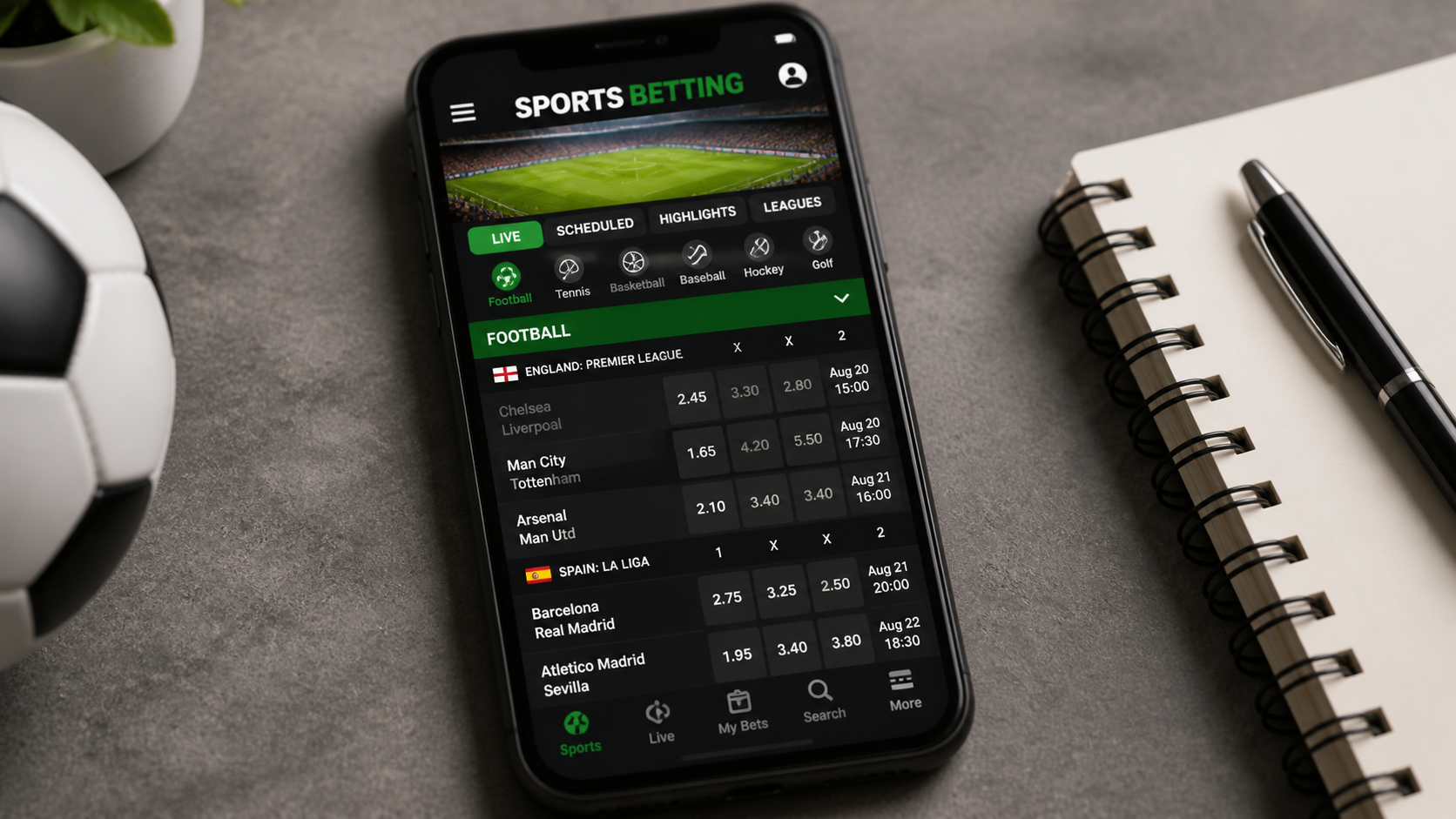
Choosing where to place a wager online involves more than comparing odds or looking for a particular sport. The experience can vary in how clearly a platform presents its terms, how easy it is to understand its features, and how much control it gives users over their activity. Taking time to assess those basics can help readers make a more informed decision.
For anyone exploring betting sites, the most useful starting point is a careful review of the information available before creating an account or depositing money. A polished design may make a platform feel easy to use, but it does not replace checking the rules, costs, available markets, and responsible-play tools. These considerations matter whether someone is interested in sports wagering, casino games, or simply learning how online platforms differ.
Start with clarity, terms, and local considerations
Before focusing on odds or promotions, find out who operates a platform and what its published terms say. Look for clear explanations of account eligibility, deposits, withdrawals, identity checks, and the handling of disputes. If key information is difficult to locate or written in a way that leaves important questions unanswered, treat that as a reason to slow down rather than assume everything will be straightforward.
Rules for online wagering can vary by location and may change. Readers should independently confirm what is permitted where they live and whether a platform is authorized to serve them. A website being accessible does not, by itself, establish that its services are lawful for every visitor. When local rules are unclear, consult appropriate official guidance or qualified advice instead of relying on promotional material or online comments.
It is also worth checking whether the platform explains its procedures in plain language. Terms relating to bonuses, account limits, verification, and withdrawals can affect the user experience. Read the full conditions that apply, not only a headline offer. If a promotion requires particular wagering activity or has restrictions, understand those requirements before deciding whether it is relevant.
Compare the experience beyond the odds
Odds are one part of a betting decision, but they are not the only measure of a platform. A useful comparison considers whether markets are easy to navigate, whether event information is presented clearly, and whether the interface makes it simple to review a selection before confirming it. Confusing menus or crowded screens can make it harder to notice details that deserve attention.
Readers comparing betting sites can make a short checklist and apply the same questions to each option. For example, consider whether the site clearly displays:
- The available sports, events, and types of markets.
- Relevant odds and the details of a wager before submission.
- Account, payment, and withdrawal terms in an accessible format.
- Ways to review account activity and manage participation.
- Customer support options and the scope of the help provided.
These points do not determine whether a wager will succeed. They help readers assess usability and transparency. Odds can change, and different platforms may present markets differently, so compare like with like and check the details at the time of use. Avoid assuming that a large selection automatically means a better experience; a manageable, clearly organized range may be easier to evaluate than a long list of unfamiliar options.
Understand payments, account access, and support
Payment information deserves careful attention because it affects both convenience and expectations. Review which methods are listed, whether any conditions or fees are disclosed, and what steps may be required before funds can be withdrawn. Processing times can depend on the method and the platform’s procedures, so avoid relying on assumptions based on another service or another person’s experience.
Account verification may also be part of using an online service. Read what information could be requested, when it may be needed, and how the platform describes its handling of account data. Do not send sensitive information through channels that are not clearly associated with the service. If the explanations are vague, or if a request seems inconsistent with the platform’s stated process, pause and seek clarification through a listed support channel.
Good support information is specific enough to be useful. Check whether there are clear instructions for common account questions and whether contact options are explained. Support availability alone cannot establish that a platform will resolve every issue, but transparent procedures can help users understand where to direct a question. Keep records of important account communications and transactions so details are easier to review if a disagreement arises.
Look for responsible-play tools and set personal limits
Wagering involves the possibility of losing money, and outcomes cannot be guaranteed. A platform’s responsible-play information should be easy to find and understandable. Depending on the service, tools may include options to set limits, take a break, or restrict access. Learn how any available controls work before they are needed, and do not treat their presence as a reason to wager beyond a personal budget.
It can help to decide in advance how much time and money, if any, is affordable to spend. Keep wagering separate from essential expenses, and do not borrow or chase losses. If the activity becomes stressful, difficult to control, or starts affecting relationships or responsibilities, step away and seek support from a trusted person or an appropriate local service. Taking a break is a practical response, not a failure to understand the games.
Be especially cautious of claims that a strategy, tip, or promotion can secure a profit. No interface, market choice, or advertised offer removes uncertainty. Treat wagering as paid entertainment only if it remains within personal limits; it should not be viewed as a way to solve financial problems or as a dependable source of income.
Make a deliberate choice, or choose not to wager
A considered comparison is more useful than a quick decision based on a banner or a friend’s recommendation. Before using a platform, check the local rules, read its terms, understand how payments and verification are described, and examine the tools available for managing activity. If essential information is missing or unclear, there is no need to proceed until questions are answered.
It is equally reasonable to decide that online wagering is not suitable. For readers who do choose to participate, a clear budget, a limited amount of time, and a willingness to stop can help keep the activity in perspective. The best decision is not defined by the number of markets or the size of an offer; it is the one made with a realistic understanding of the risks and the freedom to walk away.
