

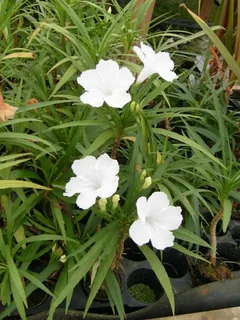
A garden pond can bring a peaceful and refreshing atmosphere to any outdoor space. However, the beauty of a pond is not limited to the water itself. The plants surrounding its edges can transform a simple water feature into a lush, natural-looking landscape. Marginal pond plants are particularly valuable because they thrive in shallow water and damp areas, making them ideal for creating attractive waterside displays.
If you Buy Marginal Pond Plants to Create a Lush Waterside Display, you can add layers of color, texture, and height while creating a more natural transition between your pond and the rest of your garden.
What Are Marginal Pond Plants?
Marginal pond plants are moisture-loving or aquatic plants that grow naturally around the shallow edges of ponds, streams, and other water features. Their roots typically grow in wet soil or shallow water, while their foliage and flowers rise above the surface.
These plants come in many different varieties, offering options for small garden ponds as well as larger water features. Their diverse shapes and colors make them useful for both informal and carefully designed landscapes.
Why Add Marginal Plants to Your Pond?
Create a Natural Pond Edge
One of the biggest benefits of marginal plants is their ability to soften pond boundaries. Their foliage can help conceal pond liners, containers, and other artificial features, making the water feature look more naturally established.
Add Color and Texture
Marginal plants can provide attractive foliage and seasonal flowers. Combining varieties with different colors, leaf shapes, and heights creates a more visually interesting waterside display.
Provide Wildlife Habitat
A planted pond margin can provide shelter and habitat for insects, amphibians, and other garden wildlife. Flowering plants may also attract bees and other pollinators.
Improve Garden Design
Marginal plants can connect the pond with nearby lawns, borders, shrubs, and other landscaping. Their natural growth forms help integrate the water feature into the wider garden.
Popular Marginal Plants for a Lush Display
When you Buy Marginal Pond Plants to Create a Lush Waterside Display, consider choosing plants that complement one another in terms of size, color, and growing requirements.
Water Iris
Water-loving iris varieties are popular for their elegant foliage and attractive flowers. They can provide vertical interest and seasonal color around shallow pond areas.
Marsh Marigold
Marsh marigold is well suited to damp pond margins and is known for its cheerful flowers. It can brighten areas around the water while contributing to a natural planting scheme.
Pickerelweed
Pickerelweed produces broad foliage and attractive flower spikes. It can help create a lush, layered appearance while providing additional structure around the pond.
Cattails
Cattails offer distinctive upright foliage and can create a natural wetland effect. They are particularly suitable for larger ponds, although their spreading growth should be managed carefully.
Choosing the Right Plants for Your Pond
Before purchasing marginal plants, assess the conditions around your water feature. Different plants have different requirements for sunlight, moisture, planting depth, and available space.
Check Sunlight Levels
Determine whether your pond edge receives full sunlight, partial shade, or mostly shade. Select plants that can thrive under those conditions.
Consider Plant Size
Always check the mature height and spread of a plant before purchasing it. Smaller ponds can quickly become overcrowded if vigorous varieties are planted too closely together.
Match Water Depth
Marginal plants should be positioned at the appropriate depth. Some prefer very shallow water, while others can tolerate slightly deeper conditions. Following individual planting instructions will encourage healthy growth.
How to Plant Marginal Pond Plants
Use Aquatic Planting Containers
Aquatic baskets can make it easier to position and manage marginal plants. Fill them with suitable aquatic growing media and place them at the recommended depth.
Arrange Plants in Layers
For a natural appearance, position taller varieties farther back and shorter plants toward the front of the pond margin. This creates depth while allowing the water surface to remain visible.
Leave Enough Growing Space
Avoid planting too many specimens together. Adequate spacing gives each plant room to develop and makes future maintenance easier.
Maintaining a Lush Waterside Display
Once established, marginal plants generally require regular maintenance rather than intensive care. Remove dead foliage and spent flowers to keep the pond edge looking tidy.
Fast-growing plants may need to be divided or thinned periodically. Removing excess plant material can prevent overcrowding and help maintain a healthy balance between vegetation and open water.
It is also useful to remove fallen leaves and other debris from the pond, particularly during autumn. This helps maintain a cleaner and more attractive water feature.
Designing a Natural-Looking Pond Border
A beautiful waterside display benefits from variety. Combine plants with contrasting leaf shapes, flowering periods, and growth heights to create interest throughout the season.
When you Buy Marginal Pond Plants to Create a Lush Waterside Display, consider how each plant will look alongside the others as it matures. Repeating a few complementary species can create a cohesive design, while natural stones and gravel can further enhance the pond’s appearance.
Final Thoughts
Marginal pond plants can turn an ordinary pond edge into a vibrant and inviting waterside landscape. They offer attractive foliage, colorful flowers, natural texture, and valuable habitat for garden wildlife.
With thoughtful plant selection, suitable positioning, and regular maintenance, you can create a pond border that looks lush without becoming overcrowded. If your goal is to Buy Marginal Pond Plants to Create a Lush Waterside Display, choose varieties that match your pond’s conditions and combine them to achieve a balanced, natural appearance.
