

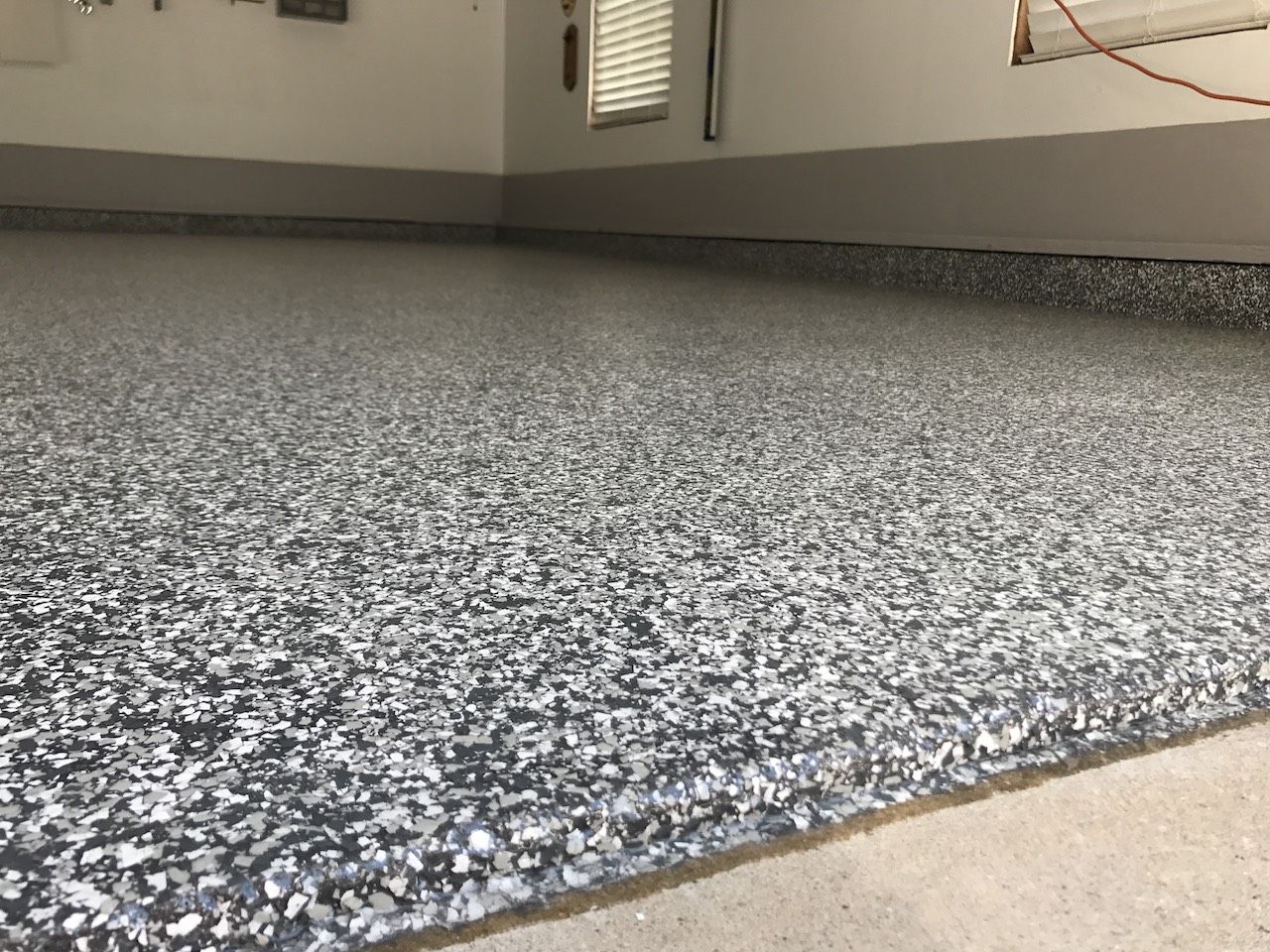
Garage floor flake coating systems offer homeowners a way to upgrade ordinary concrete with a decorative, protective finish. By combining a resin base coat, colored flakes, and a protective topcoat, these systems create a distinctive surface suited to garages, workshops, and other utility spaces. Superior Garage Flooring provides solutions for homeowners looking to enhance their garage floors while helping protect concrete from everyday wear.
However, the quality of a coated floor depends on more than its color or shine. Concrete preparation, coating compatibility, flake coverage, and proper installation all influence the final result. Understanding these factors helps property owners select a system that meets their practical needs and design preferences.
How Garage Floor Flake Coating Systems Work
A flake coating system typically begins with a prepared concrete surface. An appropriate base coat is applied, and decorative flakes are broadcast into the wet coating. Once the coating has cured sufficiently, excess flakes are removed before a compatible clear topcoat is applied.
Each layer serves a purpose. The base coat provides the foundation for the system, decorative flakes create the visual pattern and surface texture, and the topcoat seals the finish while providing additional protection.
Decorative flakes are available in different sizes and color combinations. Neutral blends can complement modern homes, while contrasting colors can give a garage a more distinctive appearance. The right selection depends on the surrounding space, lighting, and intended use.
Important Factors When Selecting a Flake Coating
Choosing a suitable system requires evaluating several details before installation begins.
1. Concrete Condition and Preparation
Concrete must be assessed before any coating is applied. Cracks, oil contamination, existing sealers, and moisture concerns can affect adhesion and coating performance. Surface preparation may involve mechanical grinding, cleaning, and repairing damaged areas, depending on the slab’s condition and the manufacturer’s requirements.
Skipping necessary preparation can contribute to peeling, bubbling, or premature coating failure. A professional assessment helps identify potential problems before they become expensive repairs.
2. Flake Coverage and Appearance
Partial and full flake broadcasts create different visual effects. Partial coverage allows some of the base coat to remain visible, producing a more understated pattern. Full coverage creates a denser, more consistent decorative finish.
The amount of flake coverage can also influence surface texture and cleaning requirements. Property owners should compare samples when possible and consider how the selected finish will look under the garage’s actual lighting conditions.
3. Base Coat and Topcoat Compatibility
Not every coating product is suitable for every concrete surface or application. Epoxy and polyaspartic products, for example, have different curing characteristics and performance properties. The appropriate combination depends on the project, environmental conditions, and manufacturer’s specifications.
A compatible topcoat helps protect the decorative layer from routine wear and makes the finished surface easier to maintain. Product selection should therefore consider the complete coating system rather than focusing on a single material.
4. Intended Garage Use
A garage used primarily for parking may have different requirements from a workshop that experiences frequent equipment movement, spills, and heavier activity. Consider vehicle traffic, expected exposure to chemicals, cleaning habits, and the level of traction needed.
Discussing these requirements before installation helps narrow the available options and prevents selecting a finish based solely on appearance.
Why Professional Installation Matters
Even quality coating materials can underperform when applied to an inadequately prepared surface. Professional installation helps address the technical requirements that influence adhesion, coverage, and finish consistency.
A typical installation process includes:
- Inspection: Evaluate the concrete for damage, contamination, previous coatings, and moisture-related concerns.
- Surface preparation: Mechanically prepare the slab and complete necessary cleaning and repairs.
- Base coat application: Apply the selected coating according to product specifications.
- Flake broadcasting: Distribute decorative flakes to achieve the chosen coverage and appearance.
- Finishing: Remove loose flakes and apply a compatible protective topcoat.
- Curing: Allow the coating to cure for the period specified by the manufacturer before permitting foot traffic or vehicle use.
The exact process and timeline vary by product, site conditions, and coating system. Confirming these details with the installer helps property owners plan around the work and avoid using the floor before it is ready.
Maintaining a Flake-Coated Garage Floor
Routine care helps preserve the floor’s appearance and supports its long-term performance. Although coated floors are generally straightforward to clean, maintenance should follow the coating manufacturer’s recommendations.
Useful practices include:
- Sweep regularly to remove dust, grit, and loose debris.
- Clean spills promptly using an appropriate cleaning solution.
- Use a soft mop or non-abrasive cleaning equipment.
- Avoid harsh chemicals unless they are approved for the coating.
- Inspect the surface periodically for chips, peeling, or areas requiring attention.
Dirt and grit can become abrasive under vehicle tires or foot traffic. Regular cleaning helps limit this buildup and keeps the decorative finish looking presentable.
It is also important to distinguish normal surface wear from a more serious coating problem. Peeling, persistent bubbling, or exposed concrete may indicate an adhesion issue or damage that requires professional evaluation.
Questions to Ask Before Installing a Flake Coating
Before approving a garage flooring project, request clear answers to a few essential questions:
- What coating products and topcoat will be used?
- How will the concrete be prepared?
- Are existing cracks or damaged areas included in the proposed work?
- What flake colors, sizes, and coverage options are available?
- How long will installation and curing take?
- What maintenance instructions and warranty terms apply?
Written estimates should explain the scope of work, materials, preparation requirements, and any exclusions. Comparing these details provides a more meaningful basis for evaluating contractors than comparing prices alone.
Conclusion
Garage floor flake coating systems combine decorative flexibility with practical surface protection, making them a useful option for homeowners looking to improve their concrete floors. Selecting the right system requires attention to concrete condition, flake coverage, material compatibility, installation quality, and maintenance requirements.
Superior Garage Flooring provides garage coating solutions for property owners seeking a professionally finished space. Visiting Superior Garage Flooring can help homeowners explore available flooring options and determine which approach best suits their garage, design preferences, and everyday requirements.
