

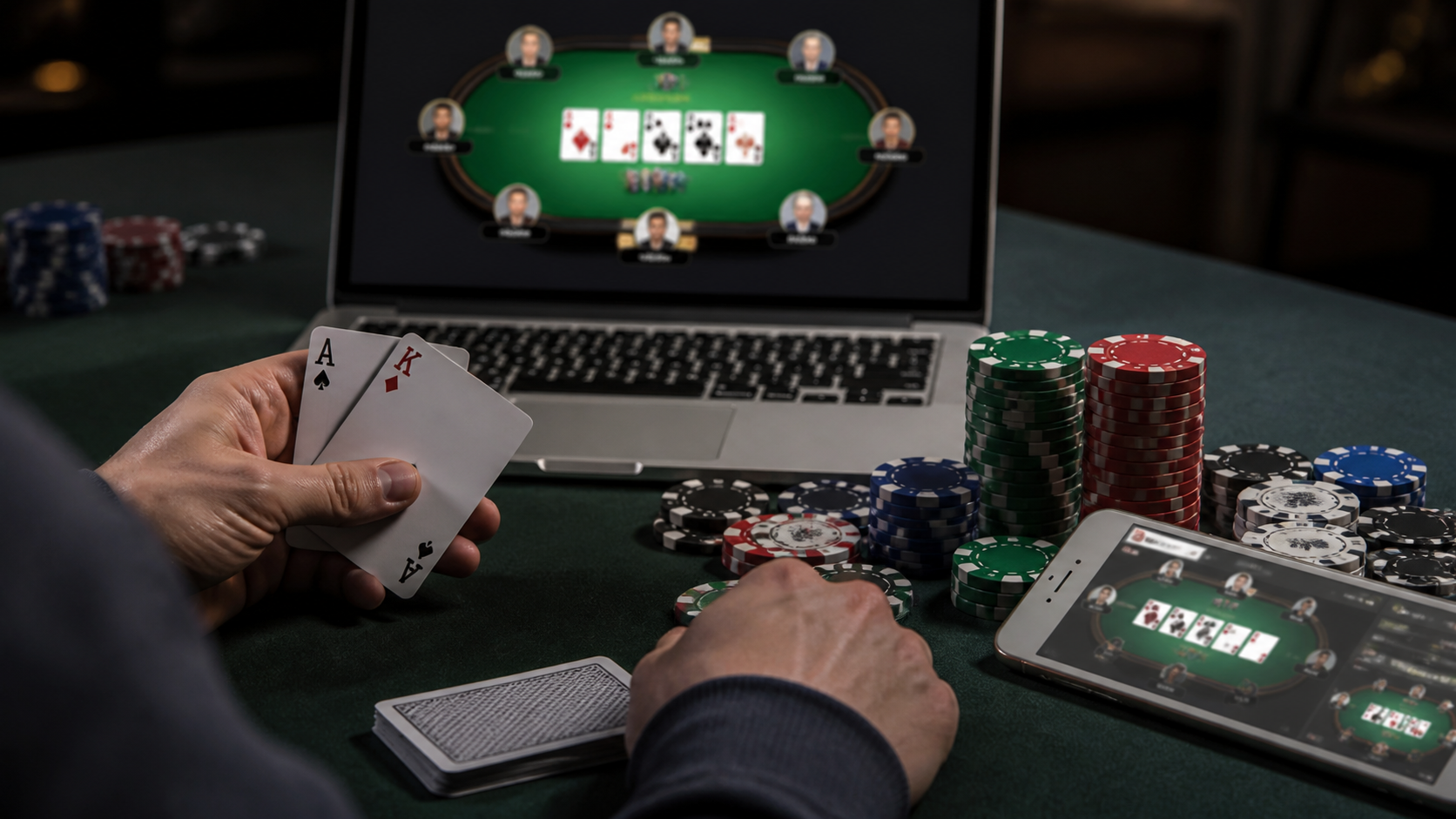
For many card-game fans, poker sits in a unique middle ground between entertainment, strategy, and discipline. It rewards patience, reading patterns, and making thoughtful decisions under pressure, which is why it continues to attract players who want more than simple luck-based play. In Malaysia, that interest has grown alongside the wider shift toward mobile-friendly gaming, with players often looking for a clear understanding of how online play works, what to look for in a platform, and how to approach the game responsibly.
If you are exploring online poker in malaysia, it helps to start with practical expectations rather than hype. The best experience usually comes from knowing the format you want, understanding the basics of table selection, and setting a few personal rules before you begin. Those simple habits can make the game feel more manageable and far more enjoyable.
How Online Poker Fits Into the Malaysian Gaming Landscape
Online poker appeals to different kinds of players for different reasons. Some enjoy the competitive side of the game, where skill and judgment matter from one hand to the next. Others like the flexibility of being able to play from home without needing to visit a physical venue. In a country where mobile use is a normal part of daily life, that convenience is especially important. Players can browse games, compare formats, and fit a session around their own schedule.
At the same time, poker is not the same as casual entertainment that can be approached without preparation. Even recreational players tend to get more value from understanding the structure of the game. Table stakes, speed of play, and opponent style all affect the experience. A calm, informed approach is often more useful than chasing the fastest table or the biggest pot.
For Malaysian players, another important factor is matching the platform to personal comfort. Some people prefer a simple interface and low-pressure games, while others look for a broader range of tables and formats. The key is not to assume that every site or game type suits every player. Choosing carefully can make the difference between a session that feels controlled and one that feels overwhelming.
Choosing the Right Poker Format
One of the first decisions a player makes is which version of poker to sit down with. That choice affects pace, strategy, and the amount of concentration needed during a session. A player who enjoys deep thought and patience may prefer a slower format, while someone who wants a faster rhythm may lean toward shorter hands or quicker tables.
Cash Games, Tournaments, and Fast-Paced Tables
Cash games are often the simplest starting point because the structure is straightforward. Players can join and leave more freely, and each chip has a direct value tied to the table. This makes it easier to manage a session in smaller pieces, especially for those still learning how they react under pressure.
Tournaments create a different kind of challenge. They reward survival, timing, and adaptability as stacks change and blinds rise. This format can be appealing for players who enjoy a clear beginning, middle, and end to their session. It also requires a different mindset, because patience matters just as much as aggressive play.
Fast-paced tables suit players who want more action in less time, but they can also create more room for rushed decisions. Before choosing that style, it helps to ask whether the speed fits your habits. A quick game can be exciting, but it is usually less forgiving if you are still developing your sense of timing.
What to Consider Before Sitting Down
There are a few practical questions worth asking before joining a table:
- How much time do I want to spend in this session?
- Do I want a slower, more methodical game or something more dynamic?
- Am I comfortable with the level of competition at this table?
- Do I understand the rules and structure clearly enough to play well?
Answering those questions does not guarantee a better result, but it can help you avoid the common mistake of choosing a game that does not suit your habits. Poker tends to feel more manageable when the format matches the player.
Reading Platforms With a Critical Eye
Not every poker platform creates the same experience, and the differences are often more visible once a player spends time navigating menus, tables, and support features. A clean interface matters because poker involves quick decisions, and clutter can make it harder to track what is happening. Clear table layouts, easy lobby navigation, and stable performance are all worth paying attention to.
Players should also notice how information is presented. Transparent rules, visible table details, and straightforward instructions usually make the game easier to approach. When a site feels vague or confusing, that often adds friction before the first hand is even dealt. A good platform should help you focus on the game rather than forcing you to guess how it works.
Device compatibility is another useful consideration. Many players in Malaysia access games through mobile devices, so a smooth mobile experience can matter as much as desktop play. Buttons, card visibility, and scrolling behavior should feel comfortable rather than cramped. If a game is hard to follow on the device you use most often, it may not be the right fit for long sessions.
Support is also worth noting, even for players who do not expect to use it often. When a platform provides clear help sections and accessible guidance, it can reduce frustration if something goes wrong. That kind of practical support is often more valuable than flashy design or bold claims.
Skill, Discipline, and Bankroll Habits
Poker has a reputation for rewarding skill, but skill does not mean every session will go smoothly. Good players still encounter swings, and even careful decisions can lead to short-term losses. That is why discipline matters so much. The strongest habit a player can build is not chasing losses, but keeping decisions consistent over time.
Bankroll awareness is one of the most useful habits in the game. It simply means deciding in advance how much you are comfortable using for poker and dividing that amount in a sensible way. This helps prevent a single session from feeling too important. When the money set aside for play is treated as entertainment rather than pressure, the game tends to stay more balanced.
Another part of discipline is knowing when to stop. Fatigue can make players careless, and frustration can lead to poor choices that have little to do with strategy. A planned exit point is often better than trying to force a comeback. In poker, patience is not only about waiting for better hands; it is also about knowing when the right move is to step away.
Table Behavior and Better Decision-Making
Good poker habits are not limited to chip management. Table behavior matters too, especially in online settings where pace and attention shape the whole experience. Respectful play creates a more focused atmosphere and helps players stay clear-headed. It is easier to think well when the session does not feel chaotic.
Simple Habits That Improve the Session
Several small habits can make a noticeable difference:
- Pay attention to betting patterns instead of only your own cards.
- Avoid rushing decisions after a bad hand.
- Keep distractions low so you can follow the action.
- Use consistent routines for entering and leaving tables.
- Review your own choices after the session, even briefly.
These habits do not create a perfect outcome, but they encourage steadier play. The more a player can observe calmly, the easier it becomes to notice timing, pressure, and table flow. That awareness often matters more than trying to play every hand aggressively.
Common Mistakes New Players Make
New players often overvalue weak hands, chase action too often, or play too many tables at once. None of these habits are unusual, but they can make the game feel less controlled. Another common mistake is ignoring the pace of the table. A slower table rewards patience, while a fast table punishes hesitation. Adapting to that rhythm is part of becoming more comfortable with the game.
It also helps to avoid treating every loss as proof that the strategy failed. Poker includes uncertainty, and short-term results can be misleading. A better approach is to judge decisions by how sensible they were in the moment, not only by whether they won or lost.
Responsible Play and Final Takeaways
For anyone exploring poker online, the most useful mindset is measured and realistic. The game can be engaging, tactical, and social in its own way, but it works best when played with clear boundaries. That means deciding on time limits, staying aware of your bankroll, and choosing games that fit your current comfort level rather than trying to jump into the most demanding option immediately.
Online poker in Malaysia is best approached as a game of choices. The format you select, the platform you trust, and the habits you build all shape the experience. If you keep those basics in mind, you are more likely to enjoy the strategic side of poker without turning the session into unnecessary stress. A thoughtful approach usually goes further than a rushed one, and that is especially true in a game where timing and judgment matter hand after hand.
